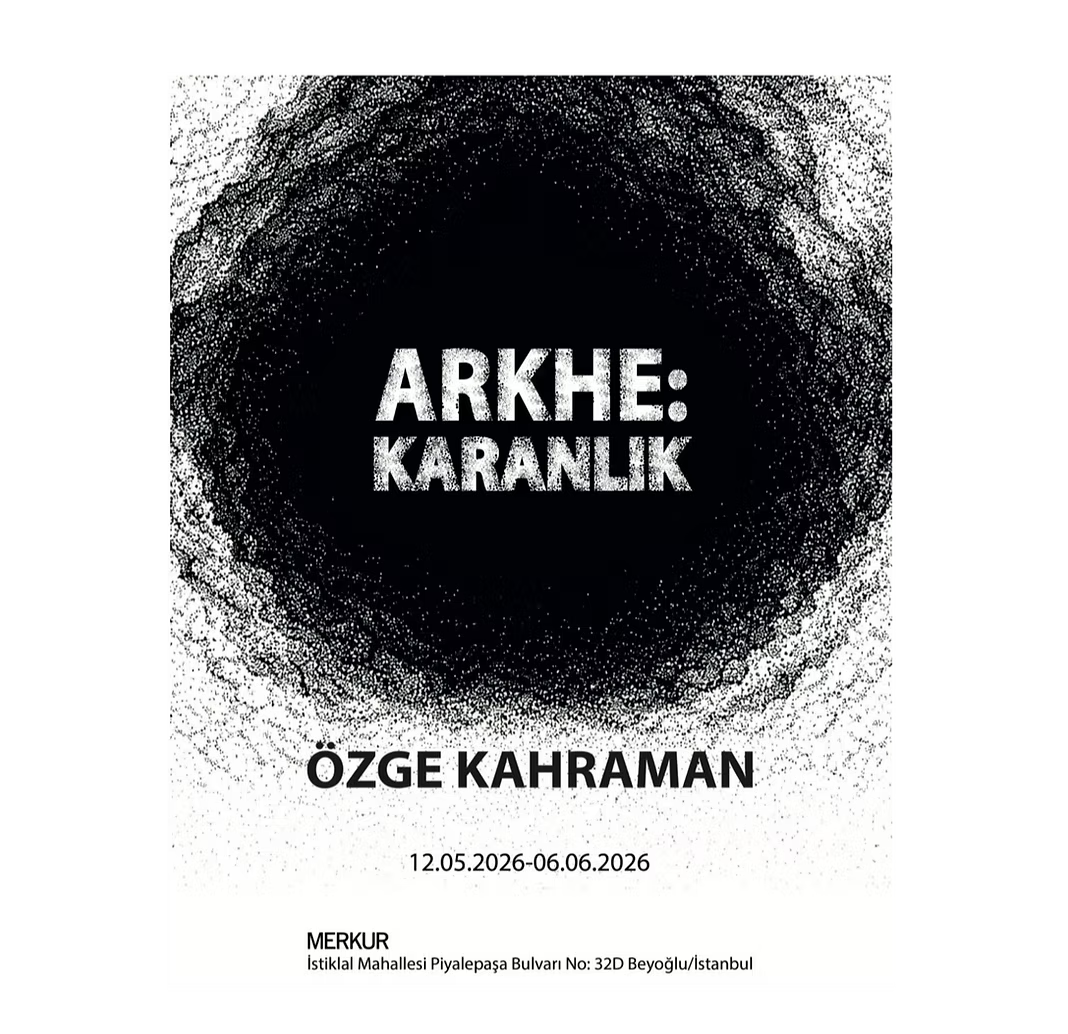
ARKHE: Karanlık

Drawing on nearly fifteen years of cave research, Özge Kahraman's "ARKHE: Darkness" treats darkness not as absence but as the potential of what has not yet taken form. Working in a pointillist technique that evokes mineral textures and the sedimentation of time, the artist invites viewers to contemplate the origin of being — a beginning hidden in the depths of the cave.

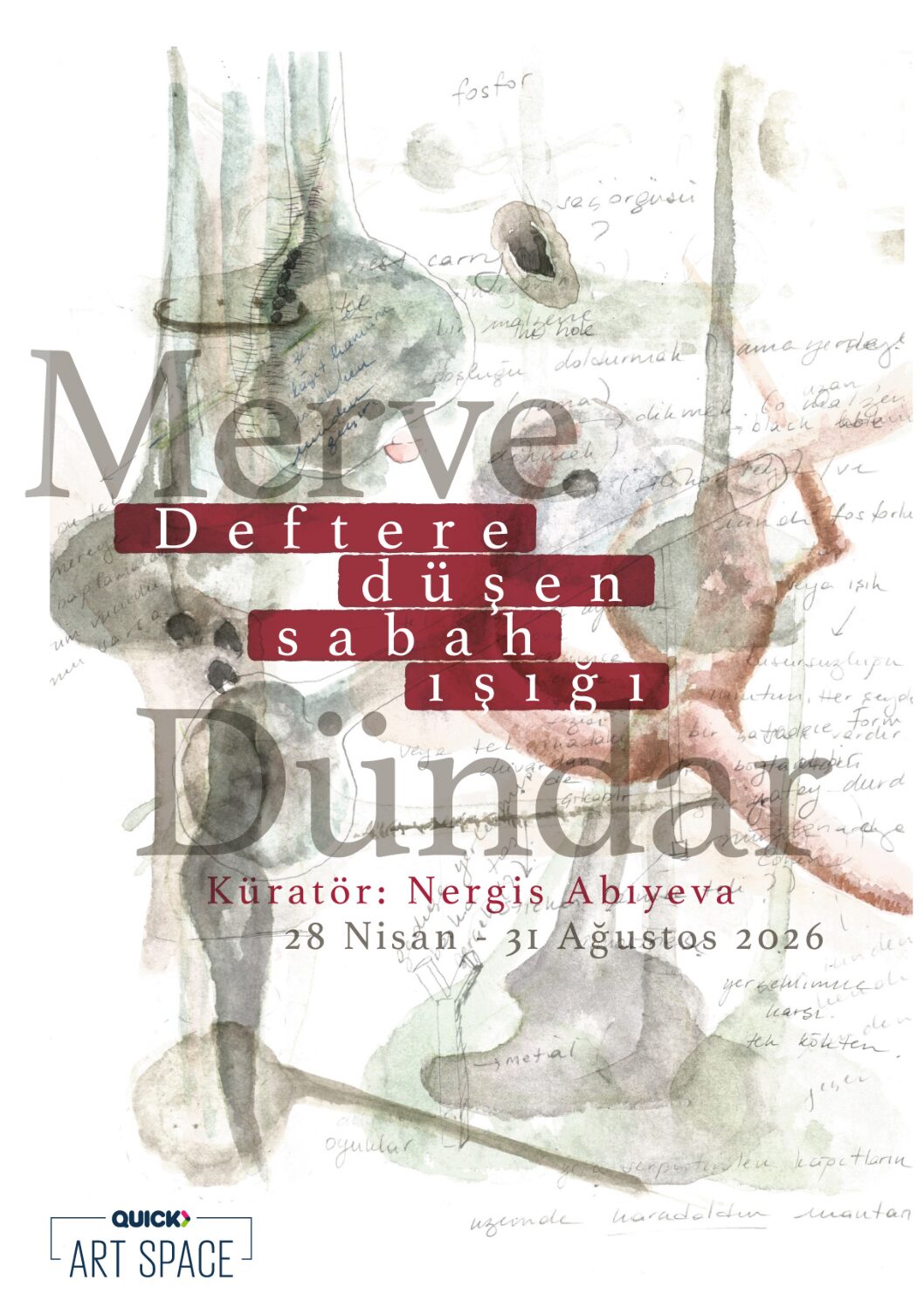
Morning Light Falling on the Notebook

Focusing on Merve Dündar's practice and its movement from words toward the physical presence of material, "Light Falling on the Notebook" traces the artist's evolution since her last solo show. Working with fragile, organic materials such as used paper, tree bark, seashells and fungi, the exhibition opens up a kind of studio laboratory to visitors, alongside notebooks kept since the artist's youth, where drawing and word share the same page as a form of thinking.

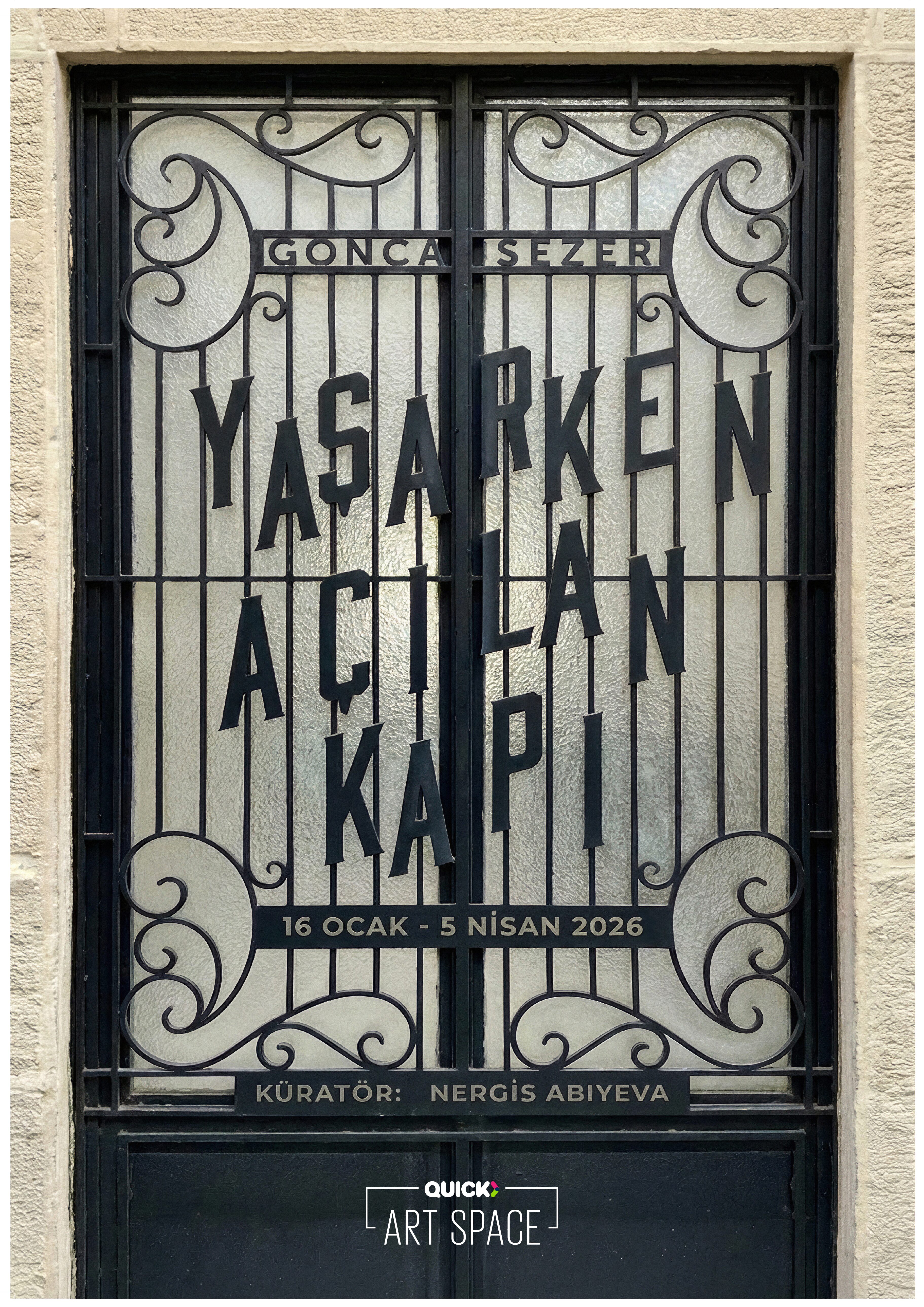
The Door That Opens in Life

Gonca Sezer's practice moves from found objects and photography toward materials drawn from her own family history — inherited lace, old photographs, doors and floral motifs from Istanbul's Şişli-Kurtuluş neighborhood. "Living Doors" brings together her recent embroidered textile works, watercolors and drawings, tracing how she transforms discarded, dowry and domestic objects into a language of care, memory and quiet observation rather than nostalgia.

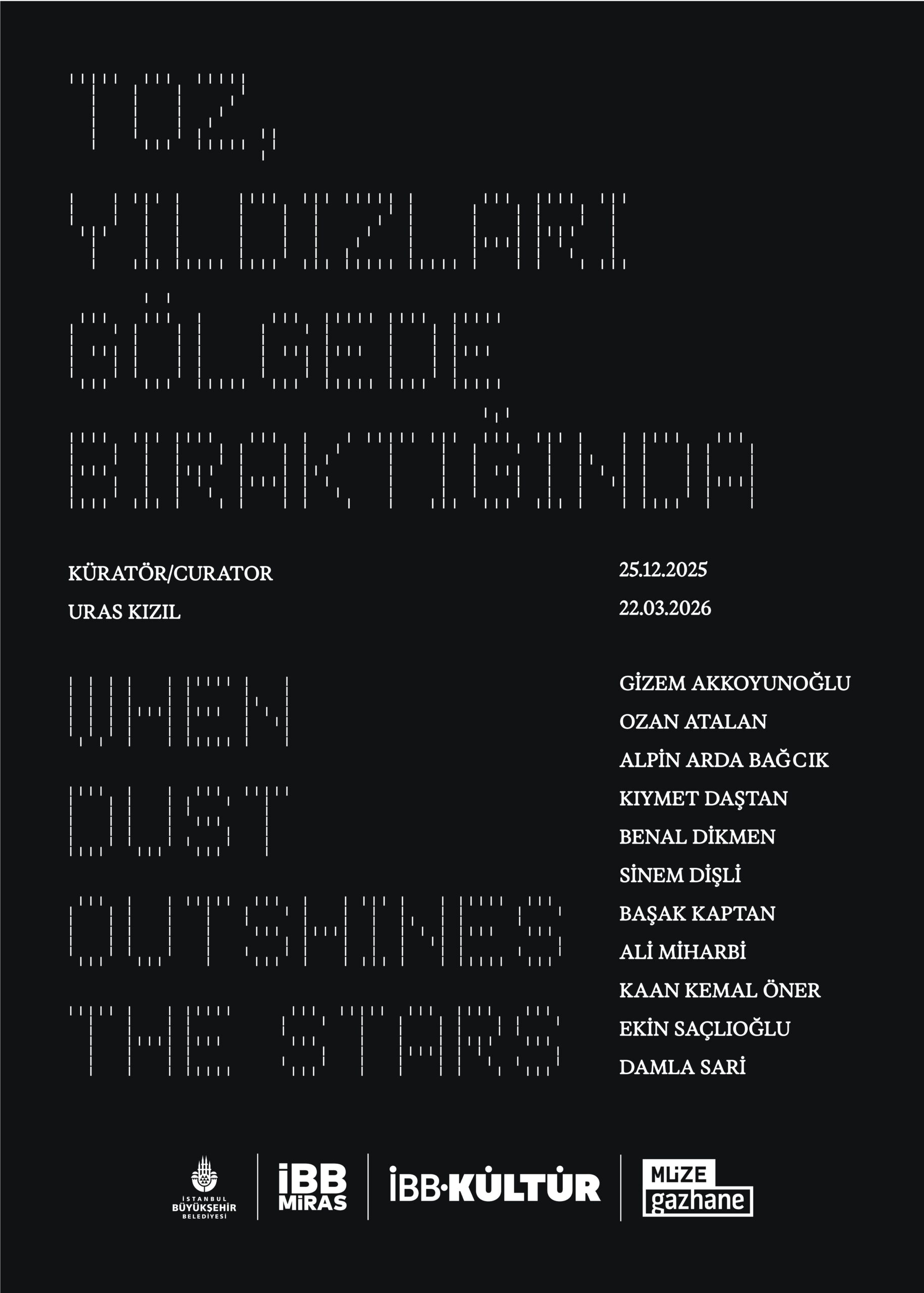
When Dust Outshines Stars

Drawing on the nineteenth-century lighting history of Museum Gasworks, "When Dust Outshines the Stars" brings together eleven artists working at the intersection of light and darkness. Built around the metaphors of dust and starlight, the exhibition treats darkness not as light's opposite but as a space where thought, sight and imagination remain possible.

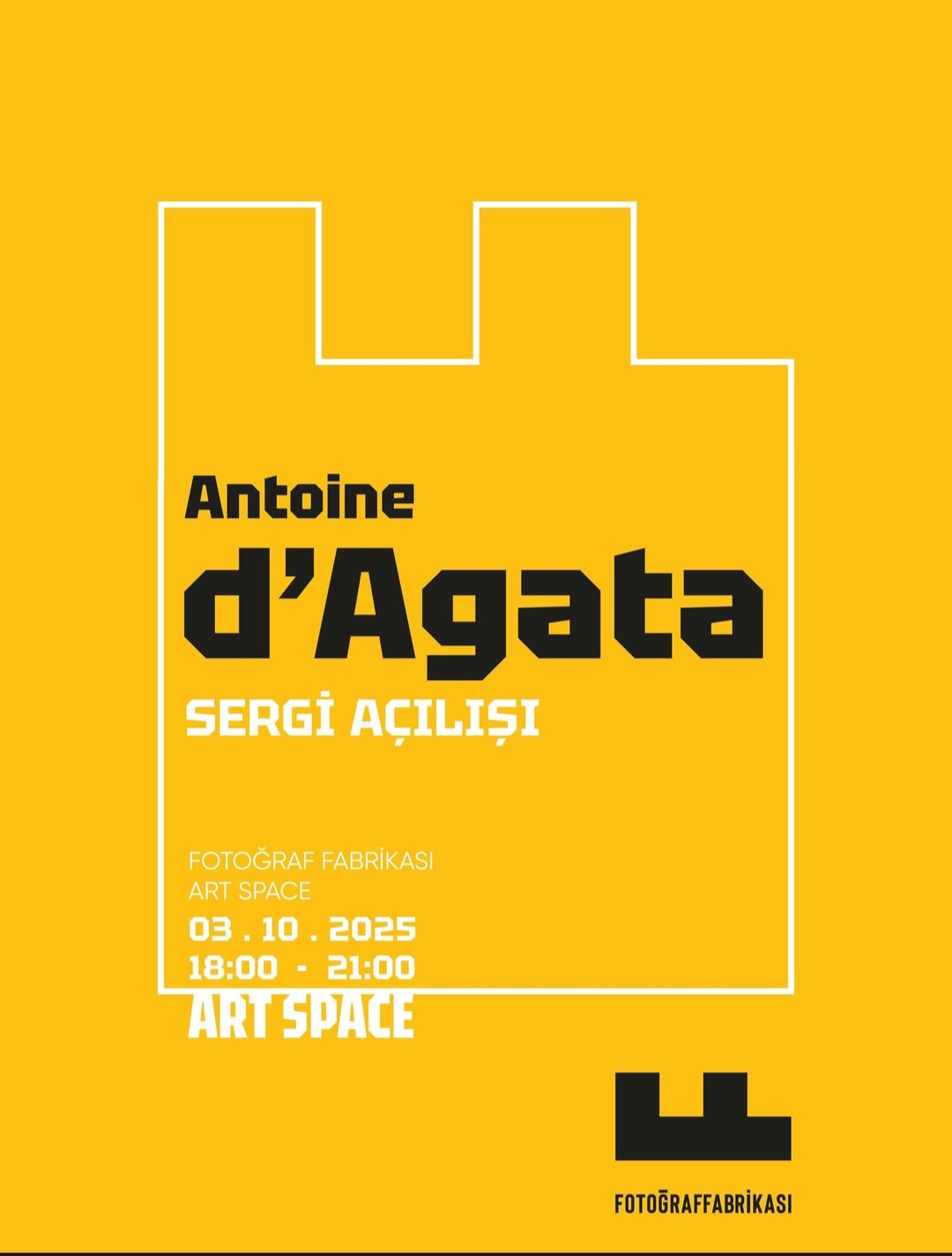
Theorem

Antoine d'Agata, one of the most original and provocative voices in contemporary photography and a prominent member of Magnum Photos, is coming to Istanbul with his exhibition titled "Teorem." Featuring striking works on global violence, imperialism, and the human condition, this exhibition will run from October 3 to November 29, 2025, as the inaugural event of the city's new art center, Fotoğraf Fabrikası. The showcase comprises photography and video works produced across various conflict zones, intertwining a documentary approach with a poetic language to question the traumatic impacts of violence on society. Renowned worldwide for its brutal honesty, "Teorem" stands out as the artist's most comprehensive and deeply political statement to date. Through this profound project, exhibition curator Attila Durak aims to establish Istanbul as a vital hub for international art dialogue by promoting photography as a powerful tool to understand and transform the world.
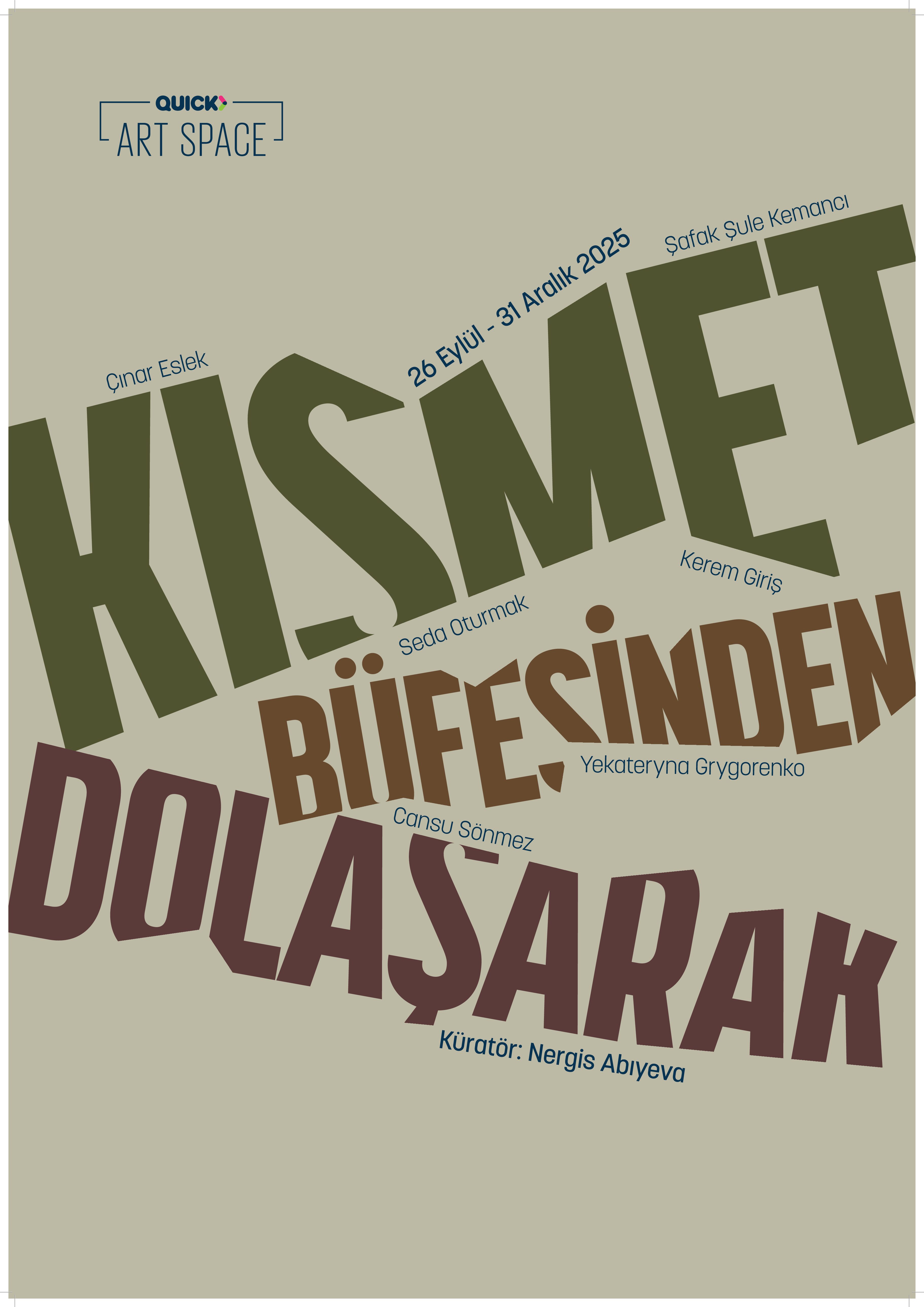
Wandering Through the Kiosk of Kismet

Taking its cue from the writing of Bilge Karasu, "Wandering Through the Kiosk of Kismet" explores, through six artists, the tension between conscious choice and chance in the creative process. The exhibition proposes a route through material relationships, intuition and the unexpected.

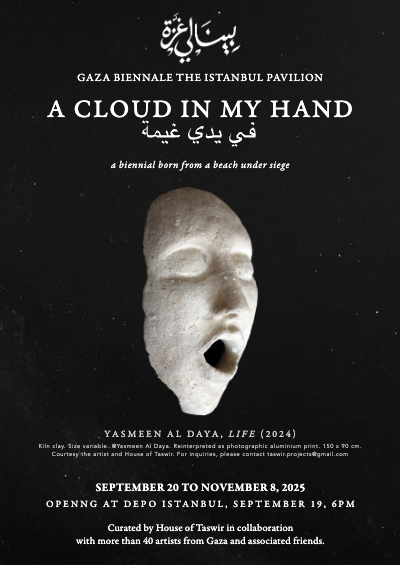
Gaza Biennale: The Istanbul Pavilion — A Cloud in My Hand

Curated by House of Taswir, the Gaza Biennale – Istanbul Pavilion brings together more than fifty artists from Gaza, Palestine and beyond at Depo. Launched in 2024 from a besieged beach, the biennale's Istanbul iteration reimagines exhibition-making through co-creation, tele-conversations and collaborative installations with Gazan artists unable to travel.

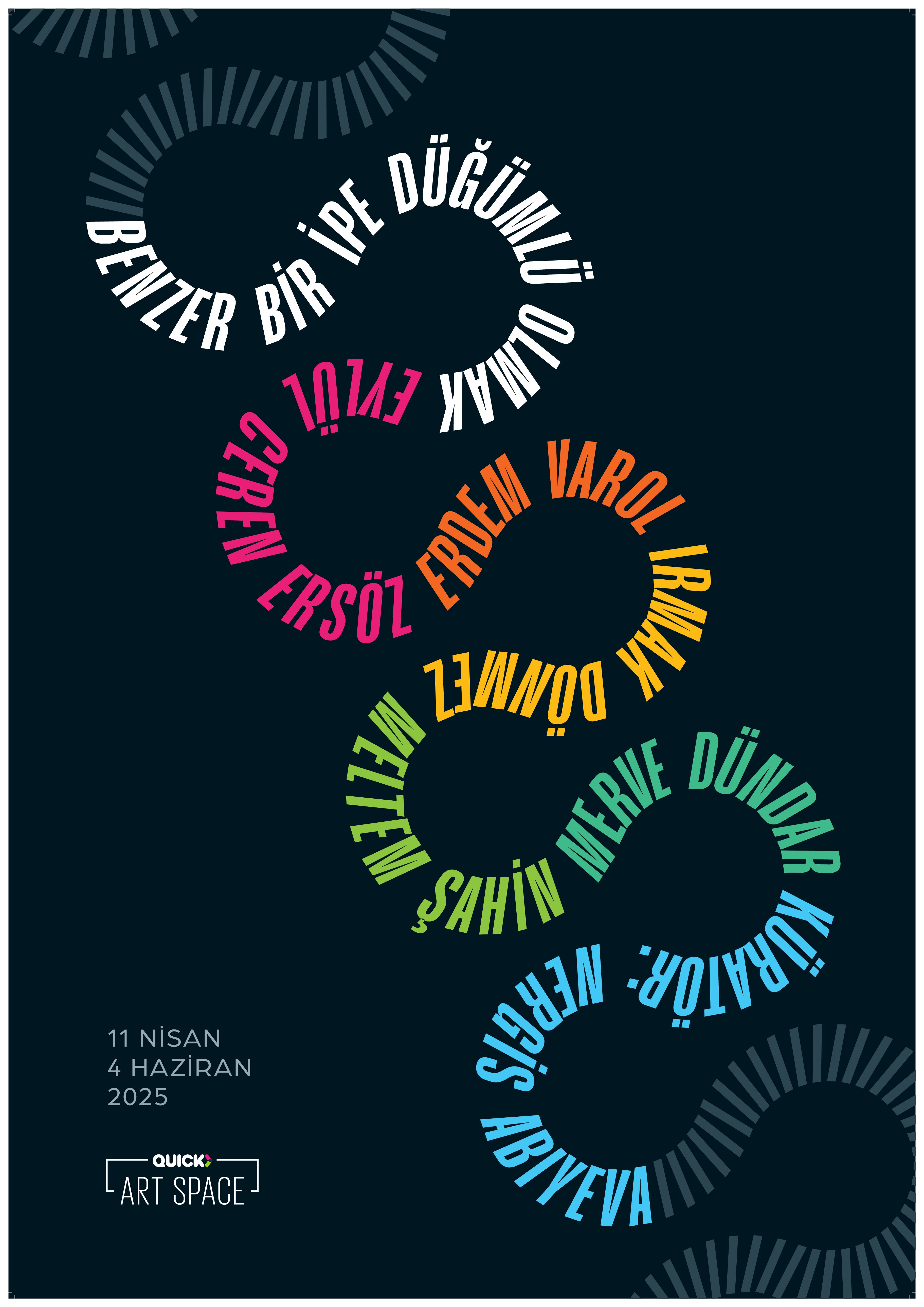
Tightly Knotted to a Similar String

Centered on the idea of freedom, "Tightly Knotted to a Similar String" brings together five artists tracing gender norms and everyday entrapment. The exhibition points to an unfinished struggle and a search for room to breathe.

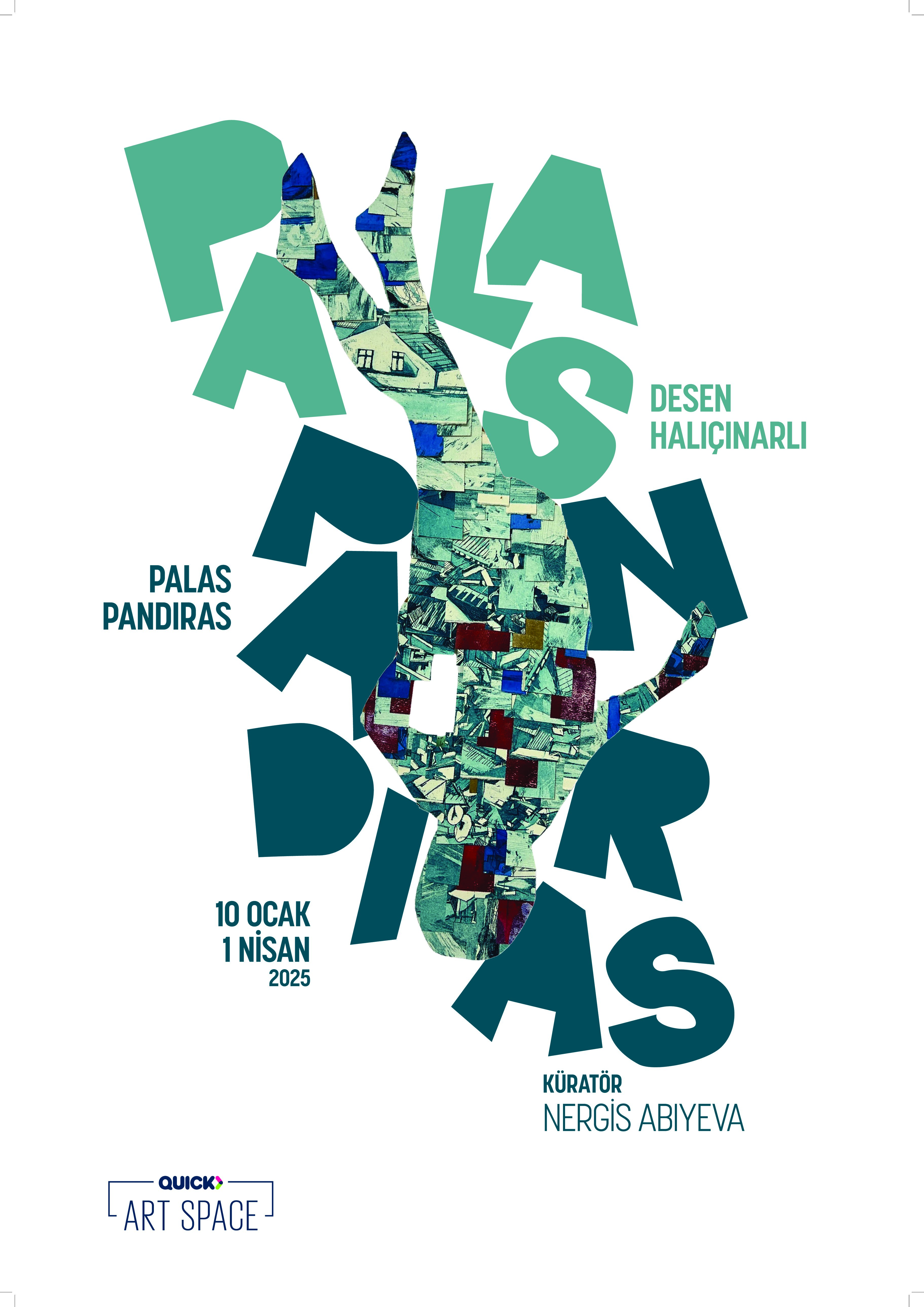
Helter-Skelter

Focusing on the last decade of Desen Halıçınarlı's work, "Palas Pandıras" follows Istanbul's constantly shifting urban fabric through paintings and engravings. The exhibition gathers the artist's memory of vanishing neighborhoods and forgotten architecture.

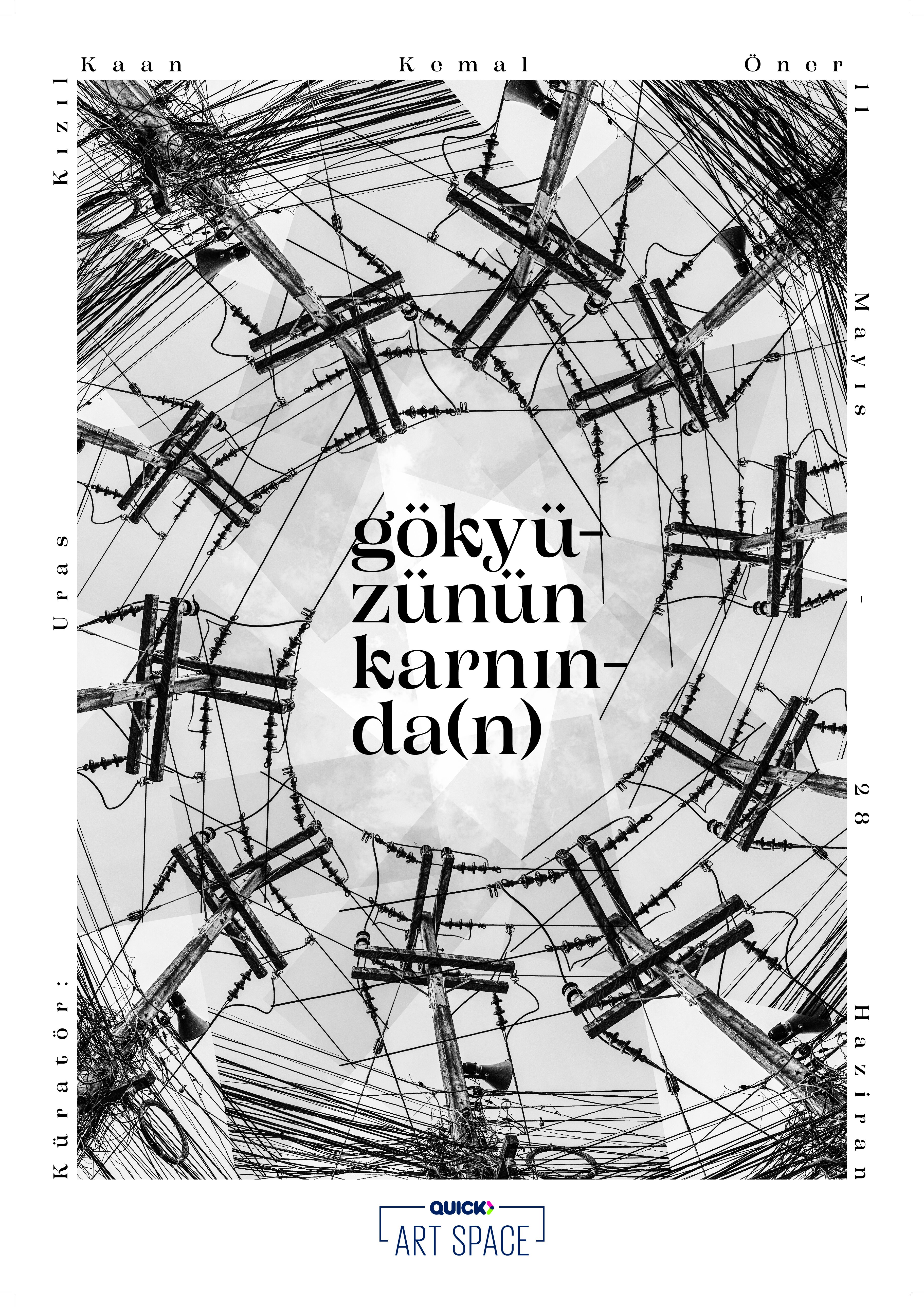
In/Through the Belly of the Sky

Presenting a selection from Kaan Kemal Öner's seven-year production, "In/Through the Belly of the Sky" uses nineteenth-century printing techniques to explore photography through a non-representational gaze. The exhibition unfolds through landscape imagery centered on non-human elements of nature.